




If you’re in the market for a pre-owned car but want to make a manageable investment, Buick vehicles may be your perfect companion. Not only does research from CarMD show that they have some of the lowest engine light repair costs, but there are also plenty more reasons why used Buicks should be high on your list!
From their classic styling and durability down to dependable resale value – getting behind the wheel of a secondhand Buick is just what you need.
If you still need convincing that buying a used Buick is smart, visit us at Carl Cannon Chevrolet Buick GMC. We deal in a wide variety of new and pre-owned cars, trucks, SUVs – you name it! Our experienced professionals can guide you to finding the Buick most suited to your needs. So head to our website to browse our inventory or visit our dealership for your favorite Buick models like Envision, Enclave, Encore GX, and more!
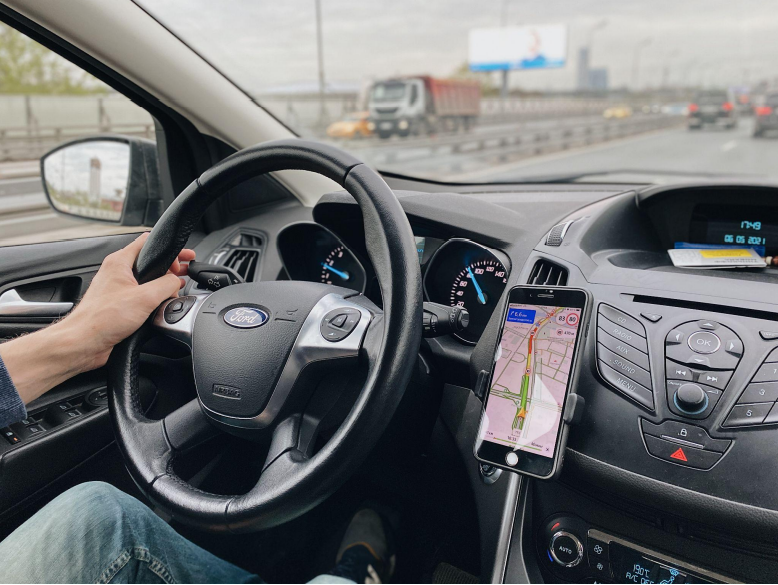
With the increased fuel prices and climate change, the need to conserve gas has never been higher. The good news is that improving your Ford’s mileage can save both your money and the environment! All it requires is for you to take good care of your Ford and improve your driving habits.Read on to learn more ways to increase your Ford’s mileage and keep it in the best shape while staying within your budget!
1. Take Care of the Engine
The engine is the heart of your Ford, and it must be well-maintained at all times. Driving a car with dirty and clogged filters will cause it to consume more fuel. In addition, a clogged air filter restricts airflow, lowering the amount of oxygen in the mixture.
It’ll need to generate more power to cover the same distance as it could with a clean filter. As a result, the car engine will compensate for this and consume more fuel than necessary.
Check for Leaks
You don’t need to be a mechanic to detect a leak. Most times, you can even smell an oil leak. The two fluids you want to ensure aren’t leaking out of your engine are oil and antifreeze.
Oil leaks are usually brown or black, while coolant can be green, pink, or yellow. Choosing the right engine oil is also essential as it relates to the mileage your engine offers. You can find out which brand is best in your Ford instruction manual.
Replace the oil and oil filters
Oil change recommendations vary, but the most recent standard is to change the oil every 7,500 miles.. Oil filters are equally important. They collect all of the dirt and debris floating around inside your engine, preventing it from recirculating. Your engine will run smoothly with a new filter and oil, and it will keep all of the internal engine parts cool and lubricated.
2. Take it Easy on the Pedal
Everybody runs late sometimes, so it’s understandable if you need to drive fast. However, it’s best not to turn this into a habit since speeding will consume more fuel.Sudden acceleration and slamming the brakes aren’t good for your Ford and its mileage. Poor driving habits can cut fuel economy by up to 30%. However, eliminating these habits from your routine will save money and increase your mileage. You can save between 31 cents and $1.24 per gallon compared to the current national average of $3.09 per gallon.
How to Avoid Sudden Acceleration
It’s best to take things slowly at first. Gently accelerate while scanning the road ahead, then keep driving within the local speed limit once you’ve reached a steady speed. If you see a traffic jam ahead, take your foot off the gas pedal earlier to gradually reduce your speed. Slamming the brakes will cost you more fuel and won’t benefit your Ford in the long run.
Slow Driving
The faster you go, the more fuel you consume. So it’s best to drive slow. Integrating this practice into your routine will do wonders for your Ford’s mileage. Instead of going 100 kilometers per hour, try 90 kilometers per hour. Your fuel consumption will be minimal up to a speed of 80 km/h.If you exceed that, your Ford will expend more energy to overcome wind resistance. Putting this into practice on the road can also help you save 22 to 43 cents per gallon.
3. Check the Tire Pressure
Proper inflation is key to increasing your Ford’s mileage. The Tire Label and the Door Jamb Label on your Ford will tell you the right pressure for your tires.Proper tire inflation will benefit you in more ways than one. Besides reducing rolling resistance and improving your Ford’s mileage, it will ensure your safety on the road. If you overinflate them,the grip reduces and wears your tires out.Underinflating your tires, in turn, increases rolling resistance. This means your car will have to work harder in traffic. Reduce the tire pressure when driving on the sand when going off-road. Instead of plowing into the surface, the tires float across it.
4. Reduce the Load
Leave bulky items at home. Anything that adds extra weight should not be in your car, as an additional 100 pounds can reduce your Ford’s mileage by a fair amount.This might be difficult to avoid if you own a 4WD model. You will consume more fuel on big outdoor trips, as the equipment is necessary.However, this problem affects smaller vehicles more. It’s relative to the weight of your vehicle, so the bigger your car is, the less it will be affected by more baggage. However, if you need to carry a lot of bulk, you will end up spending up to 3 more cents per gallon.It’s recommended to only keep the essentials on deck. This can include jumper cables, a toolset, and an emergency kit.
5. Refill Timings
Volume is vital when it comes to fuel. It is dispensed by volume, so if you are smart about when you fill your tank, it can help you save gas. But, of course, this depends on the time of the day and the temperature.The fuel will be denser if you fill your tank when it is coolest outside—early in the morning or late at night. Avoid the heat of the day. As a result, you will get more gas for the same price.
Conclusion
Improving your driving habits and proper maintenance will benefit you in the long run. In addition, keeping track of your Ford’s health is a great way of making it more fuel efficient, and improving its mileage. With these tips, you can save money on gas, reduce emissions, and keep your Ford running smoothly for years to come.
We at Carl Cannon Chevrolet Buick GMC offer the best car service to keep your Ford’s engine in top shape. So what’re you waiting for? Book a service appointment today or talk to a professional to get all your queries answered!
Features Of The 2023 Chevrolet Tahoe
If you’re looking for an SUV and considering buying a Tahoe, here is all you need to know about the all-new, high-tech 2023 Chevy Tahoe:Exterior
The 2023 Chevrolet Tahoe is an edgy, stylish SUV with highlighted chrome trims. As you stand before the car, you will see the beautiful metallic grill, a part of the Tahoe series’ edgy exterior, and right under the grill, you will find four forward sensors that aid in driver’s assistance.On either side of the front bumper are a couple of air ducts that aid in better aerodynamics, which is essential for a car of this size. The Tahoe side mirrors are heated, so you won’t have to scrape off the ice during the winter. In addition, the driver’s side mirror isauto-dimming to provide better visuals. Tahoe is equipped with LED headlights, LED daytime lights, and TeleBeam automatic high beam, which means that if the car senses oncoming traffic, the high beams automatically turn off and back on as soon as the road is clear. This is an excellent feature for others’ safety on the road and prevents blinding lights.Another remarkable feature of the 2023 Tahoe is that the rear windscreen can be opened for any pets who want to enjoy the ride. The open windscreen feature will also aid you in transporting tall goods that you would otherwise have to have an open tailgate.Tires
The 2023 Chevy Tahoe is equipped with massive, high-gloss aggressive chrome wheels, which add to the stylish exterior. The tires on the Tahoe are Continental Crosscontact. In addition, the vehicle also comes with an extra tire in the trunk.Powertrain
Chevrolet Tahoe 2023 has an impressive powertrain of a 5.3-litre V8 engine paired with a 10-speed automatic transmission that produces a good 355 horsepower with 383 pounds of torque. This raging powertrain will deliver a smooth and efficient ride.In addition, Tahoe has a towing capacity of 7,700 pounds and goes up to a combined mileage of 15 mpg, so towing any extra luggage won’t be a problem at all!Trunk Space
A good amount of trunk space is an essential feature of an SUV. Tahoe offers a whopping 122.9 cubic feet of trunk space, with the second and third rows collapsed. If you collapse the last row, you can fit your whole family’s luggage in 72.6 cubic feet. With all seats erect, the Chevrolet Tahoe still offers 25.5 cubic feet of space behind the third row.In addition, this vehicle is equipped with power-fold seats with controls available on both the front dash and the rear trunk.Interior
As you get into the driver’s seat, you will notice the luxurious wood-lined and leather-wrapped interior of the Chevrolet Tahoe. To the steering wheel’s left is the electronic parking, lane keeps assist and front and rear park assist buttons.Keeping the sheer size of the Tahoe in mind, Chevrolet has programmed this vehicle with Hill Descent Control, which aids in better traction during steep drives. To the left of thesteering wheel, you will find the Hill Descent control dial, Drive Mode selection dial, and headlight controls.To the right of the steering wheel, the Tahoe has a 10.2-inch touch infotainment screen with wireless Android and Apple CarPlay. You can also set up climate control and a built-in wifi hotspot through this screen.Tahoe has heated and ventilated seats equipped with USB ports throughout the car, a wireless charging pad for the driver, and a power centre console for easier access to the central storage.Bose Sound System
One of the best features of Tahoe 2023 is its premium ten-speaker surround sound system. The Bose Sound System of the Chevy Tahoe is engineered especially for top-tier acoustics in this vehicle. The ten high-performance speakers around the cabin will take your road trips to another level.KeyFob
The 2023 Chevrolet Tahoe’s keyfob can do much more than the previous versions of the Tahoe. Apart from the basics like locking and unlocking the vehicle, the keyfob can remotely start the car, control the power liftgate, and open up the rear upper glass.Keyless Entry
Chevy Tahoe offers Keyless Entry, which means you don’t have to carry the keyfob with you at all times. You can access the car through the driver’s side door handle button.Safety Features
Chevrolet takes pride in its vehicles’ safety. They claimed the 2023 Tahoe is high-tech and delivered. Chevrolet equipped Tahoe 2023 with a long list of safety features:● Seven airbags, including passenger curtain airbags● Automatic Emergency Braking to avoid head-on collisions stops the car before any contact is made● Auxiliary Trailer Camera● Chevy Safety Assist● Enhanced Automatic Emergency Braking● Enhanced Automatic Parking Assist● Following Distance Indicator● Forward Collision Alert● Front Pedestrian Braking● Front outboard Passenger Sensing System● HD Rear Vision Camera● HD Surround Vision● Highway Safety Kit● Hill Start Assist● Inside/Rear Trailer Camera Input● LATCH System● LED Daytime Running Lamps● Lane Change Alert feature with Side Blind Zone Alert● Lane Keep Assist with Lane Departure Warning● Chevrolet’s very own OnStar & Chevrolet Connected Services● Rear Camera Mirror Washer● Rear Cross Traffic Alert● Rear Pedestrian Alert● Rear child security door locks● Reverse Automatic Braking● Safety Alert Seat● Chevrolet’s signature StabiliTrak, an electronic stability control system with tractioncontrol● Super Cruise driver assistance technology● Tire Pressure Monitoring System will tell you exactly when your Tahoe tires needmaintenance work.● Trailer Side Blind Zone Alert● Trailering assist guidelines
The 2023 Chevrolet Tahoe is the best, most versatile, and most advanced SUV on the market. Regarding safety features, Chevrolet made no exceptions and equipped Tahoe 2023 with top-of-the-line programs. The ample trunk space and premium Bose Sound System add to Tahoe’s many qualities.At Carl Cannon Chevrolet Buick GMC, you will find the spectacular 2023 Chevy Tahoe and more. We also offer certified service for your Chevys, Buicks, and GMC vehicles. You can drop by at 299 CARL CANNON BLVD JASPER, AL, or call (866) 268-8081 for our top-notch services.
Chevrolet’s latest Tahoe 2023 is a full-sized SUV equipped according to the modern competitive market, and programmed with impressive high-tech features. This eight-passenger SUV is everything an SUV should be and more. With its stylish exterior, luxury interior and impressive features, the Tahoe 2023 is a spectacular vehicle.
8 Car Noises That Indicate Your Car Needs Help
Key Takeaways:
• A grinding noise from the steering wheel is cause for concern. Usually, it indicates a leak in the power steering system.
• A high-pitched squeal is likely due to a worn-out or loose engine belt.
• A hissing noise from your car’s AC could mean the refrigerant is low.
• If you see moisture around the hoses, there may be a leak.
• If you hear a humming noise, pay attention to see if it gets louder at different speeds. A wheel bearing issue can cause this noise.
• A rattling noise can indicate that your car’s suspension system is damaged.
• When windshield wipers make a scraping noise, you should replace them.
What to do when your car starts making weird noises? You’re not sure what it is, but you know it doesn’t sound good. Do you take it to the mechanic or wait until it gets worse? This post will discuss numerous car noises that indicate your car needs help! If you hear any of these car noises, you must promptly take your car in for a check-up!
1) Grinding Sound from the Steering Wheel
One of the car noises that cause concern is a grinding sound from the steering wheel. This noise is usually caused by a leak in the power steering system. When this happens, it causes the fluid to leak onto other parts of the car, leading to the complete failure of the power steering system. If you hear this noise, take your car for a check-up promptly!
Another potential cause of this noise is that the power steering fluid level might be low. This can happen if there is a leak in the system or if you have not topped up the fluid levels in a while. Either way, let an auto mechanic assess the issue to avoid further damage to your car.
2) High-Pitched Squeal
Another noise you might hear is a high-pitched squeal when you start your car. This usually indicates that your car’s engine belt is worn out or loose. The engine belt connects various components in the engine – like the alternator, water pump, and power steering pump – to the crankshaft. If it’s not working properly, those components won’t work properly either. If you hear this squealing noise, visit an auto mechanic and let them check the engine belt. It’s a relatively inexpensive fix, and it’s better to do it without delay.
3) Hissing Noise from the AC
If you notice a hissing noise coming from your car’s AC, it could indicate that the refrigerant is low. The refrigerant helps to cool the air before it enters your car’s cabin. If it’s low, you must refill it to function properly.
Another potential problem could be a leak in one of the hoses. If there is one, the refrigerant will escape, and you’ll need to have it repaired immediately. Check for leaks by looking for any moisture around the hoses. If you see any, then there’s likely a hole or crack somewhere that you must fix. Visit an auto mechanic and have them take a look. They’ll diagnose the problem and let you know what to do.
4) Humming Noise When You Accelerate
If you notice a humming noise when you press down on the gas pedal, your wheel bearing has likely gone bad. This happens when the metal components wear down and separate from each other. You’ll hear this noise most clearly when driving at higher speeds, so pay attention to see if it goes away or gets louder when you’re on the highway. If left unchecked, a wheel bearing issue can cause your tire to come loose and fall off while driving. That’s a dangerous situation that you want to avoid. So if you hear this noise, get your car to a mechanic immediately.
5) Low-Pitched Rattles
If you’re driving down the road and hear a low-pitched rattling noise, it’s likely coming from your suspension system. Your suspension system keeps your car level as you drive and consists of several parts, including ball joints, coil springs, and shock absorbers. If any of these parts are worn out or damaged, they can cause a rattling noise.
While suspension problems may not seem like a big deal, they can lead to much bigger car problems. For example, if your suspension is damaged, it can cause your tires to wear out unevenly. This can decrease the lifespan of your tires and make them more likely to blow out while you’re driving. The suspension system is an integral part of your car, and keeping it in good working order is necessary. If you hear strange car noises, have your suspension system checked by a qualified mechanic.
6) Rattling When Going Over a Bump
If your car starts rattling every time you go over a bump, it’s likely due to bad bushings. The bushings are the rubber mounts that connect your car’s metal frame to the suspension. Over time, these can wear out and cause numerous problems. In addition to making noise, bad bushings can cause your car to handle poorly. They can even lead to more serious car problems like tire misalignment.If you suspect your car has bad bushings, the best action is to take it to a mechanic or dealership for an inspection. They’ll surely tell you whether the bushings are the problem and can replace them if necessary.
7) Grinding While Changing Gears
If you’re driving a manual transmission car, it’s normal to hear a slight grinding noise when you change gears. However, if the grinding noise is louder than usual, it indicates that your clutch is worn out and needs to be replaced. A worn-out clutch will also cause problems when shifting gears. You might notice that it’s harder to shift gears or that the car jerks when you try to change gears. Either way, it’s not a good sign.A badly tuned clutch can also cause grinding noise while shifting gears. If the clutch is not properly adjusted, then it can cause the gears to grind against each other. This will not only damage your transmission, but it will also make driving your car very uncomfortable. If you hear a grinding noise from your car, it’s best to take it to a mechanic.
8) Scraping Noises from Windshield Wipers
This is one of the most irritating car noises and a sure sign that you should replace your windshield wipers. The blades get old and worn down over time, losing their flexibility. When they start to make that awful scraping noise, it means they’re not making full contact with the windshield anymore, which means you’re not getting a good wipe. You might be able to clean the blades and get a little more life out of them, but eventually, you’ll need to replace them.
Conclusion
These are critical car noises that can indicate car problems. If you’re ever unsure, take your car to a mechanic. With their trained ears, they’ll quickly diagnose the issue and let you know what you should do. In the meantime, drive safely!
Check out our blog post about the top seven ways to preserve your car’s value.
Bring your car in for a check-up if you hear these car noises. The trained professionals at Carl Cannon Chevrolet Buick GMC Cadillac, serving Hoover, AL, will quickly diagnose the problem and get you back on the road. With years of experience, our team is dedicated to providing outstanding customer service. We know your car is a big investment, and we want to help you protect it.
Schedule a Service Appointment today with our service center!
Top 7 Ways To Preserve Your Car’s Value

Key Takeaways:
• Scheduled maintenance helps preserve your car’s value.
• Use OEM parts when replacing worn-out components. Aftermarket parts may be cheaper, but they can cause damage to your vehicle over time.
• Car servicing is an investment that will pay off eventually by retaining your vehicle’s worth.
• Hand wash and wax your car rather than take it through an automated car wash.
• A clean car will look more pleasing and be easier to sell when the time comes.
• Be sure to use mild cleaners on all surfaces to avoid damage.
• Focus on areas where dirt and debris accumulate, such as the floor mats and creases in the seats.
• Always acquire a copy of the work order when taking your car in for service, no matter how small the repair.
• Keeping all records in one place will make it much easier to provide this information to a buyer later.
Like most people, you probably take great pride in your car. You may have even spent a lot of time and money making it just the way you want. It’s logical to want to safeguard that investment, and preserving its value is ideal. Many things can keep your car looking and running like new for years. This blog post will discuss some top ways to preserve your car’s value!
1) Maintain and Service Your Car Regularly
A proven way to preserve your car’s value is by maintaining and servicing it regularly. It means periodically changing the oil and other fluids like coolant, brake, and power steering.
Also, inspect your tires, brakes, and suspension components. Regular maintenance will keep your car running properly and prevent big car problems.
Use high-quality OEM parts when replacing worn-out components. OEM parts are made explicitly for your car model and fit perfectly. Aftermarket parts may be cheaper, but they’re not always the best quality. Over time, aftermarket parts can cause damage to your car, which will lower its value. Neglecting maintenance will cause it to lose value quickly. Car servicing is an investment that will pay off by preserving your vehicle’s worth.
2) Wash and Wax Frequently
A car that’s regularly cleaned and waxed will be worth more than one that isn’t. Washing and waxing will safeguard the paint and keep it looking shiny and new. Waxing creates a barrier against the elements, including UV rays, which can fade the paint over time. Washing removes dirt, salt, and other pollutants that can damage your paint. It’s best to wash and wax your car by hand rather than take it through an automated car wash. Automatic car washes can damage the paint and clear coat.
If you can’t do it yourself, take it to a professional detailer. Visit a reputable detailer who will use high-quality products that won’t damage your car’s paint. It’s an investment that will eventually preserve your car’s value and pay off.
3) Make the Interior Shine
Your car’s interior takes a beating daily. Spills, stains, dirt, and debris can all lead to an unsightly and unkempt interior. It can also damage the upholstery and make the interior look worn out. Regular cleaning and vacuuming will help to keep the interior looking impeccable; if you have leather seats, clean and condition them regularly. Leather needs to be kept hydrated to stay supple and prevent cracking.Start by vacuuming the floors, seats, and upholstery. Inspect areas where dirt and debris accumulate, such as the floor mats and creases in the seats. Use a brush attachment to loosen any ground-in dirt. For stains, start with a mild soap and water solution. You can try a stronger cleaner designed for car interiors if that doesn’t work. Test any cleaner in an inconspicuous spot before using it on the entire surface. Clean your dashboard and all other plastic surfaces with a microfiber cloth and a mild cleaner. Don’t use any harsh chemicals, as they can damage the surface.
To clean your windows:
1. Start by rolling them down to clear the tracks.
2. Use a microfiber cloth and glass cleaner to wipe down the glass.
3. Clean the rubber seals around the windows to prevent them from drying out.
Many products can help keep your car’s interior looking like new. Invest in some good quality cleaners and protectants and use them regularly.
4) Don’t Smoke in Your Vehicle
Smoke is one of the worst things for your car’s interior. It not only leaves a nasty smell but also discolors the surfaces over time. If you must smoke in your car, crack a window to let the smoke out. Better yet, step outside to smoke so that your car doesn’t have to suffer.
5) Take Care of Your Tires
One important thing to preserve your car’s value is to care for your tires. Your tires ensure your safety on the road and are also a big part of your car’s value. Ensure you check your tire pressure regularly and inflate them when needed. You should also rotate your tires every few months to ensure even wear. If you catch any bald spots or cracks, get new tires. New tires will improve your safety, and they’ll also prevent potential car problems.
Another important tire-related tip is to avoid driving on rough roads when possible. This can damage your tires and decrease their lifespan.
6) Keep Your Car Repair Documents in a Safe Place
One smart way to preserve your car’s value is to keep meticulous records of all repairs and maintenance. When you take your car in for service, whether something as small as an oil change or more major like a transmission repair, ensure a copy of the work order, such documents will be beneficial if you decide to sell your car.
Buyers will be interested in seeing a complete service history, as it will give them the satisfaction that the car has been well-cared for. Furthermore, if you have all your records in one place, it will be much easier to provide this information to the buyer instead of searching for old receipts and invoices.
7) Park Wisely
Always park your vehicle in a safe, covered location. If you live in an area with high crime rates or bad weather, consider investing in a garage or carport. This will keep your car out of the elements and away from potential vandals or thieves.
Also, park it in a well-lit area. This will unnerve criminals and allow you to spot any potential damage that may have occurred while your car was unattended.
Lastly, try to avoid parking on the street if possible. Street parking can be hazardous to your car’s paint job and bodywork. If you must park on the street, choose a spot far away from potential hazards like fire hydrants, trees, and other cars.
Conclusion
These tips will help preserve your car’s value and prevent hazardous car problems. Regular maintenance and care will significantly protect your investment, so stay on top. And if you ever have any questions about caring for your car, don’t hesitate to ask a professional.
Check out our blog about four subtle signs that you need a new car.
The ideal dealership to buy a new Chevrolet, Buick, GMC, or Cadillac should have a spectacular collection of vehicles. At Carl Cannon Chevrolet Buick GMC Cadillac, serving Cullman,AL, we have a large inventory of the latest Chevy models, so you’ll find the perfect car, truck, or SUV. We also offer competitive pricing and financing options to help make your purchase affordable. Plus, our experienced sales team is eager to assist you in finding the ideal Chevrolet for your lifestyle.
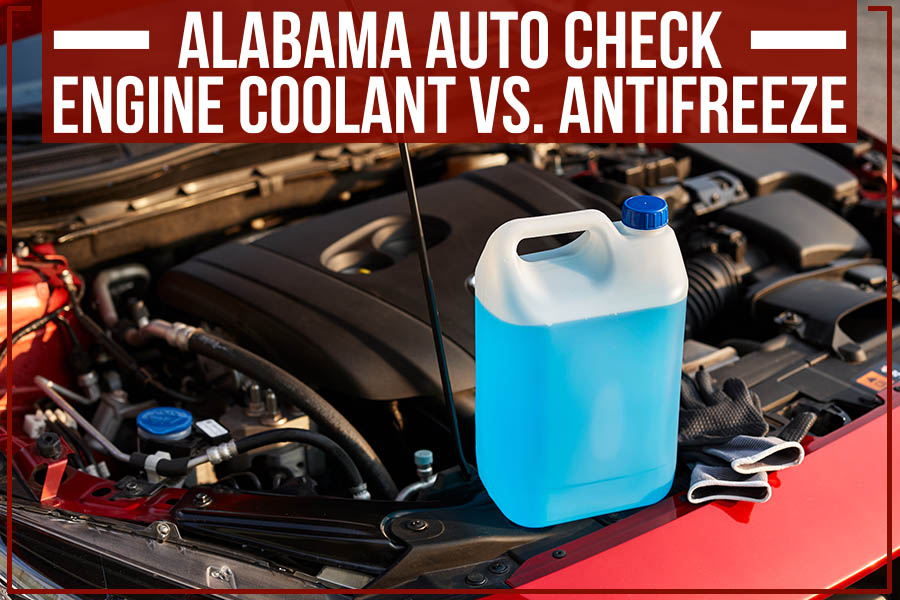
Alabama Auto Check: Engine Coolant Vs. Antifreeze
Key Takeaways:
– Engine coolant and antifreeze are not the same things, though they are often used interchangeably.
– The coolant is generally a 50-50 mixture of antifreeze and water.
– It is important to keep your car’s engine from overheating.
– Trusted car service can help you with all your engine coolant needs.
Your car’s engine is susceptible to hot and cold temperatures. These extremes can cause your engine to seize up, making it difficult or even impossible to start your car. If this happens, you may be facing expensive repair bills. Taking care of your vehicle’s cooling system is essential to avoid this situation.
Although antifreeze and coolant are often used synonymously, they refer to two different products. Both of these are essential for a properly functioning engine cooling system.
Well, not exactly.
Many people don’t realize there is a difference between antifreeze and coolant. But it’s essential to know the demarcation because using the wrong one can harm your engine. This post will explain the critical differences between these two types of fluids.
The Main Difference Between Antifreeze Vs. Coolant
What sets antifreeze and coolant apart from one another?
Simply said, coolant is what you put inside your car. In contrast, antifreeze is one of the active components of a coolant mixture. Antifreeze is predominantly composed of ethylene glycol or propylene glycol and is the major component of this stuff.
The coolant is generally a 50-50 mixture of antifreeze and water. The 50-50 combination is sufficient for engines that operate at temperatures greater than 200 degrees Celsius. At the same time, the antifreeze qualities prevent freezing at low temperatures below 30 degrees Fahrenheit. However, the concentration may be as high as 70% antifreeze in freezing weather.
What Is the Use of Antifreeze?
In subzero temperatures, the liquid expands and solidifies when it freezes. If the fluid in your car freezes, it will expand and potentially crack the engine blocks or other components. This is where antifreeze comes in to prevent that from happening.
Antifreeze lowers the water’s freezing point and is typically made with ethylene or propylene glycol. It’s an integral part of any cooling system because it prevents liquids from freezing and damaging your engine.
Antifreeze comes in various bright colors, such as pink, orange, green, and so on. It may also be composed of different chemical formulations designed for certain automobiles. You should not combine the various types of chemically formulated antifreeze unless you understand them intricately. To find out which type of antifreeze your vehicle requires, consult its owner’s handbook.
What Is the Engine Coolant’s Purpose?
The cooled liquid that comes out after combining water and antifreeze in a 50-50 ratio is what we refer to as the “coolant.” The primary function of an engine coolant is to transmit heat and avoid freezing or boiling damage to the engine.
The coolant is found in the radiator when you turn off the engine. However, once the engine is started, the coolant gets pumped through the engine’s passageways to help distribute heat evenly. Afterward, it goes back into the radiator again.
Fresh air from the outside is fed into the radiator, where it’s cooled and circulated back to the engine. Some coolant amounts are introduced into the core when you turn on the car heater. The coolant warms the core, via which warm air is blown into the cabin.
We’ve discussed what happens when engine fluid freezes, but let’s discuss boiling. When coolant boils, it creates vapors that can’t transfer heat properly. If this continues, it could melt metal parts of the engine because essential areas aren’t being kept cool.
Modern vehicles have compact engine compartments that don’t provide adequate ventilation. As a result, the engine would overheat in minutes if it lacked a properly working cooling system.
Antifreeze Vs. Engine Coolant: Safety Precautions
To avoid expensive damages and repairs, always use the proper engine coolant and antifreeze for your vehicle’s cooling system before you pick up any product off the shelf. Double-check that it is compatible with your car model.
To avoid mishaps, it is best to read the owner’s manual regarding which type of coolant to use. In addition, predominate stores offer pure antifreeze and premixed solutions (usually in a 50-50 ratio), so be sure to examine the labels closely before making your purchase.
Avoid mixing coolants of different hues for the same reason you should avoid combining spirits and liquids. Antifreeze or engine coolant comes in various colors, including yellow, pink, blue, and green.
When topping off, one of the most common blunders is to combine two different types or colors of antifreeze. While the combination won’t necessarily explode, it will develop a thick, jelly-like substance that restricts fluid flow. This mistake may result in overheating the engine and other difficulties that put you out of pocket at the mechanics.
Some common questions about engine coolant and antifreeze
How frequently should I change my engine’s coolant?
Almost every expert and professional mechanic agree that you should change your coolant at 30,000 miles. Some manufacturers suggest changing the coolant after 60,000 km, followed by every 30,000 kilometers. Check your vehicle’s owner’s handbook to see if there are any special requirements.
Is it possible to mix antifreeze?
To avoid complications, only mix antifreeze with water, and shoot for a 50-50 ratio. Different colors or types of antifreeze should never be mixed – doing so rarely turns out well. Keep things easy by following the manufacturer’s directions.
How to know if I need a coolant refill?
There are a few classic signs that your engine is overheating. One is if the temperature gauge readings are higher than average. Another symptom is if you notice rust on the coolant reservoir. In addition, be on the lookout for a distinct “maple syrup” smell coming from your engine.Read also: 6 Worrying Signs That You Need To Have Your Radiator Repaired
Ending Note:
No matter what you call it, engine coolant is a vital part of your car’s inner workings. Keep an eye on your fluid levels, and use the right mixture of water and antifreeze to keep your engine operating smoothly.Carl Cannon Chevrolet Buick GMC Cadillac, serving Warrior, AL, is your one-stop shop for all things automotive. Our car service experts can help you with everything from oil changes to engine replacements. Achieve the perfectionist level of car care by coming to our Alabama dealership today!Schedule your service now!
Leasing Vs. Buying a Car: Which Is Better For You?
Key Takeaways:
• Leasing is like a rental agreement where the payments will be made to use the car for a determined period.
• Financing a car is generally better if you want to build equity and invest in a vehicle.
• With a lease, buyers have the guarantee of an ongoing manufacturer’s warranty and enjoy lower monthly payments.
• If you can afford to put money aside for building equity on a new car, then you should probably choose to buy the car.
There are various factors to consider when you’re thinking about leasing or financing a car. Leasing may be a good option if you don’t have the cash to buy outright or if you like lower monthly costs. Buying is the better option if you’re planning to keep the car for the long term or want to customize it. When comparing your options for leasing vs. buying a car, there are specific questions you need to ask yourself. These include:
• How long are you planning to keep the car? If you’re planning on keeping the vehicle for several years, buying may be a better option.
• Can you afford the car’s upfront costs? Leasing generally requires less money, so it may be a better option if you’re short on cash.
• Do you want to customize your car? Buying is a more suitable option if you plan to modify the vehicle.
• Are you worried about repair costs? Leasing generally includes a warranty, so you may not have to worry about repairs.
But there’s more. Let’s discuss other essential factors you must consider before making a final decision.
Leasing vs. Buying a Car 101
Leasing is like a rental agreement where the payments will be made to use the car for a determined period. Once the contract expires, the vehicle will be returned to the dealer, and the lessee will get nothing. They’ll have to sign another lease agreement to continue driving the same car or a new one.
Financing a car, however, means that you’ll own the car. This option is generally better if you want to build equity and invest in a vehicle. However, new cars depreciate in value quickly, and warranty periods tend to last 36,000-50,000 miles or 3 to 4 years.
Additionally, when financing a vehicle, the buyer will pay the total cost of the vehicle over a determined period. This may seem like a slightly more complicated process, whereas the lessee will pay the difference between the car’s sale price and the depreciated value over the lease term.
Both methods include interest costs, but the interest rate will depend on the lender.
The Pros and Cons of Leasing
The buyer’s mentality and circumstances dictate the debate between leasing vs. buying a car. The crowd that would choose to finance is arguably more concerned with investing and is prepared to commit for the long term.
On the other hand, they may prioritize the protection and safety of an ongoing manufacturer’s warranty. They might as well enjoy the novelty of driving a vehicle with the latest technology every few years. Arguing about the satisfaction of getting something futuristic is difficult.
Apart from the peace of mind, the lessee will always have their vehicle under warranty which is perhaps the most significant benefit of leasing a car. In contrast, when financing a vehicle, the buyer will have to bear the entire cost of ownership.
Leasing, in general, comes with lower monthly payments. This is because the lessee only pays for the vehicle’s depreciation during the lease term, usually three years. When financing a car, on the other hand, the buyer has to pay back the entire loan amount plus interest.
At the end of a lease, the lessee can purchase the vehicle or return it to the dealer. If they choose to buy it, they would only have to pay the vehicle’s residual value, which is usually lower than its market value. With financing, on the other hand, the buyer owns the car outright.
Many people structure their finances according to what they can pay each month, and with a lease, it’s more palatable. Even though the mileage restrictions can be a sticking point for many people, it’s essential to consider your car ownership history and driving habits. For instance, if you can track how many miles you can drive a car each year, you’ll better understand how high or low the mileage cap on the lease needs to be. Moreover, if you get bored with a car in a few years, leasing is the best option.
Pros and Cons of Financing a Car
Whoever can afford to put money down for building equity on a new car will probably choose to buy the car. But most people finance their car because they can’t afford the total price of the vehicle. In this case, you’re building equity on someone else’s money.
There are specific rules to follow when financing a vehicle. The first one is that you should get pre-approved for an auto loan before heading to the dealership. This will give you more negotiating power at the dealership and help you avoid being taken advantage of by a salesperson.
The second rule is never to finance a car for more than four years. This is because cars depreciate quickly, and after four years, you’ll be upside down on your loan, which means you’ll owe more than the car is worth.
If you follow these two rules, financing can be a great way to get a new one without paying the total upfront price. Unsurprisingly, the pros of financing correlate with the drawbacks of leasing. For instance, unlike a lease, there are no mileage restrictions, and you can drive your car as much as you want.
Leasing vs. Buying a Car: What’s Better?
People deciding on leasing instead of financing should consider other details besides mileage restrictions and monthly payments before signing an agreement. It’s best if you contact a certified dealer who offers the car model you are interested in financing or leasing.
Dealer and manufacturer websites are often the best sources to remain up-to-date with the latest deals. However, always be cautious of deceitful dealerships that advertise low monthly payments, which often include high fees and taxes that will increase the actual price.
Has your old vehicle given up? Here are some signs you need a new car.
Make sure to effectively negotiate your lease terms and ask the right questions to understand the final monthly payments and mileage restrictions. Only decide once you are comfortable with the options.
Carl Cannon Chevrolet Buick GMC Cadillac provides its clients with the ultimate care-buying and servicing experience in Jasper, AL. You can trust our team to help you out with all your automotive needs. Visit us today!
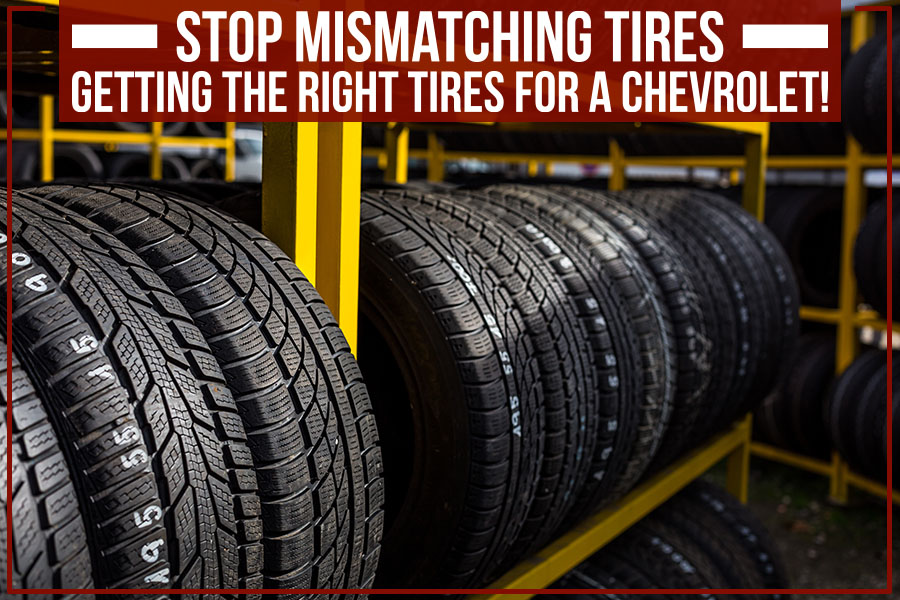
When buying new Chevrolet tires, ensure that you choose the right ones. Should you mix and match tires? Or should you stick with the same type all around? It can be tricky to determine which tires are right for your car, and thus you need to consider numerous factors. This post will discuss choosing the right tires for your Chevrolet and explain why it’s important to get a matching set first!
Why Should You Never Mix Your Tires?
You might be tempted to mix different tires when you buy new ones for your Chevrolet. Perhaps you discovered a good deal on a certain type of tire and want to save money by only buying two. Or maybe you like how a certain type of tire looks and want to use it for the front or back of your car. However, mixing and matching different tires is generally not a good idea. There are a few reasons for this.
• First, different types of tires can have different tread patterns. This can cause problems with your car’s handling.
• Second, different types of tires can wear differently. This can lead to uneven tire wear and premature tire failure.
• Finally, mixing different types of tires can void your car’s warranty.
So what should you do if you need to replace one or more tires on your Chevrolet? It’s ideal to replace all four tires with the same type of tire. This will ensure that your car handles properly and that your tires wear evenly. If you can’t replace all four tires, try to replace the two front tires or the two rear tires with the same type of tire. This will help improve your car’s handling and prevent premature tire wear.
How To ‘Read’ Tire Notation?
Check your owner’s manual or consult your Chevrolet dealer to find out what tires are recommended for your car. Remember:
Width: The tire’s width should be compatible with the wheel’s width.
Diameter: The tire’s diameter should match the wheel’s diameter.
Load Index: It’s a number that indicates how much weight the tire can support. The higher the load index, the stronger the tire.
Speed Rating: It’s a letter that indicates the maximum speed at which the tire can be driven. The higher the rating, the faster the tire can go.
Choosing the Right Type of Tire
There are different tires for different purposes. For example, there are winter tires, which are designed for driving in snow and ice. There are also racing tires for high-speed driving on the track. When choosing a tire, be sure to choose one that is right for the driving you’ll be doing.
No matter what Chevrolet tires you choose, be sure to have them installed by a qualified technician. Improperly installed tires can come off your car while driving, leading to a serious accident.
Carl Cannon Chevrolet Buick GMC Cadillac, serving Northport, AL, is the perfect place to take your car for a tire repair or replacement – plus we also supply tires!
The highly skilled and experienced technicians at Carl Cannon can quickly and efficiently fix or replace your tires. The dealership offers numerous new tires so that you can find the perfect set of tires for your car. Also, take advantage of the dealership’s competitive pricing on tires.
Come on over to our dealership today & sample our service center!
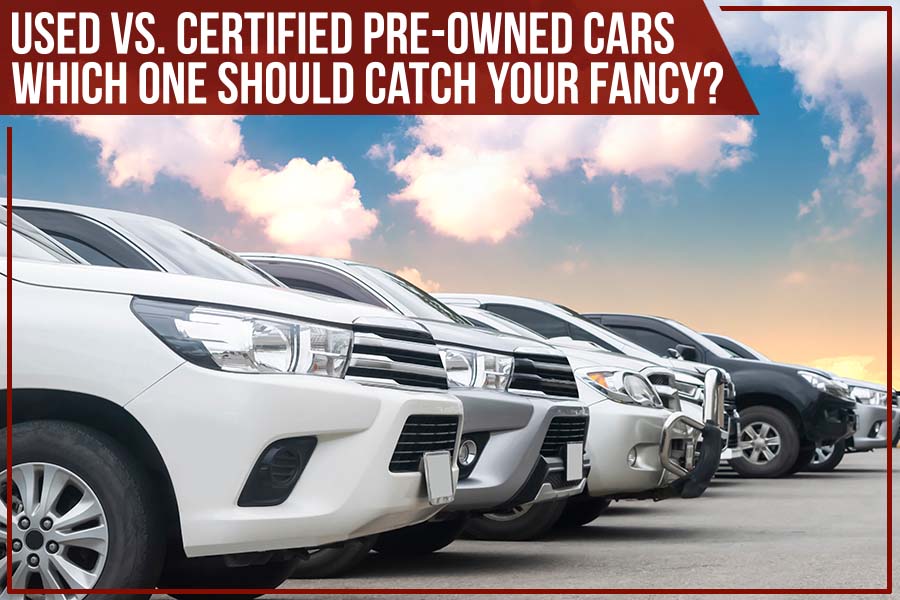
A car serves many purposes. It helps you in getting from one place to another, reflects your personality, and can be a status symbol. But, most importantly, a car is a significant financial investment.
So, when it comes time to buy a second-hand car, you want to be sure you’re making the best decision while keeping your budget and needs aligned. But, with so many used vehicle options on the market, it can be tough to know where to start.
There are primarily two kinds of second-hand cars, and Carl Cannon Chevrolet Buick GMC Cadillac will tell you which is a better option.
Let’s begin with differentiating between certified pre-owned (CPO) cars and used cars.
Difference Between CPO and Used Cars
A certified pre-owned car is a late-model car that’s been inspected, reconditioned, and certified by the automaker. All CPO vehicles have an extended warranty, special financing, and other benefits. On the other hand, a used car is simply a vehicle that’s been previously owned.
Ask yourself these questions before you make a decision:
What Is Your Budget?
The automobile certified by the manufacturer as a pre-owned car is frequently more costly than a used vehicle. A used automobile may be your better alternative if you have a limited budget. However, remember that certified pre-owned cars often offer better financing options and come with warranties.
What Is Your Driving Style?
Do you frequently drive long distances or on rough terrain? If so, a certified pre-owned car is a good choice, as it will be able to withstand the wear and tear of your driving habits. A regular used car poses the risk of breaking down sooner as you may not know all the underlying issues.
What Features Are You Looking For In A Car?
A certified pre-owned car is a satisfactory option if you’re looking for a vehicle with all the bells and whistles. These cars come with various features, including navigation systems, premium audio systems, and more. The dealership will also ensure that all the components are in working order.
What Are Your Needs?
If your intention involves a vehicle for long-term usage, then a regular used car can be a problematic option. Certified pre-owned vehicles come with extensive warranties that will cover you in the event of any unforeseen issues.
Do You Care For Warranties?
If you love warranties, a CPO car must be your go-to option. We have already mentioned that these cars come with extended warranties from the manufacturer. But did we mention the extra perks, such as a buyback guarantee and roadside assistance?
Ending Note:
Your budget or other needs may compel you to stick with the used car option, but you must be more careful. Certified pre-owned cars have more perks than their just-used counterparts. You can save yourself from unforeseen and unexpected troubles by sticking with a vehicle that comes certified.
Carl Cannon Chevrolet Buick GMC Cadillac, serving Hamilton, AL, is your one-stop shop for certified pre-owned and used cars.
Connect with us


