




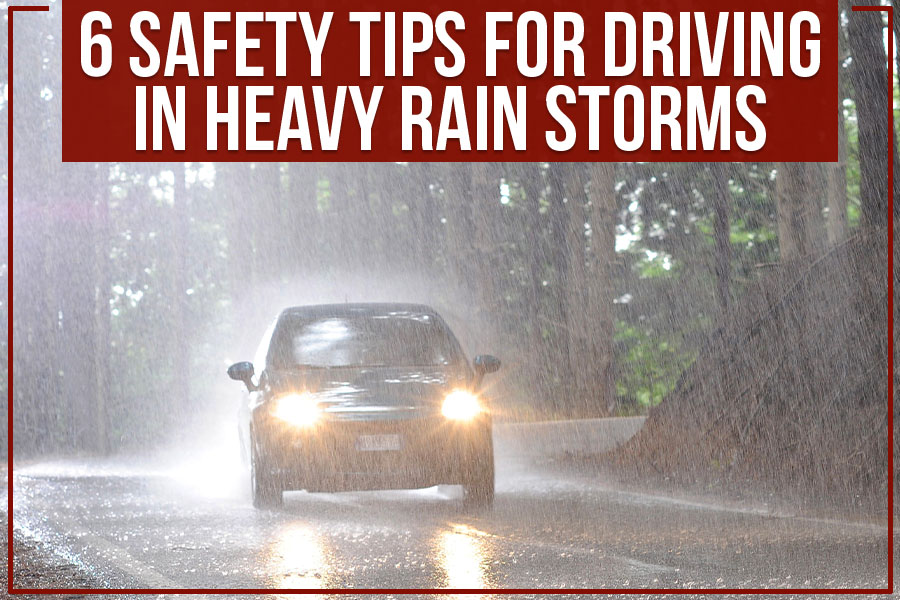
Driving in heavy rain storms can be one of the most dangerous among the many perils of summer weather. If you’re not prepared, hydroplaning or losing control of your car can easily happen.
Studies show that about 46% of weather-related accidents in the US are caused by driving in heavy rain.
So, how to stay safe when driving in the rain? You drive more carefully, of course.
However, before we jump to the safety tips of driving in the rain, let’s understand what’s happening.
Hydroplaning – The Tires Lose Contact with the Ground
Have you ever been driving on a flooded road and suddenly felt like your car was floating? If so, you’ve experienced hydroplaning.
It happens when your tires lose contact with the road and ride on a thin layer of water. It’s prevalent in areas where it hasn’t rained in a while, and oil has built up on the pavement. When you hit a puddle at high speeds, your tires can no longer displace the water fast enough, which causes them to lose traction.
This loss of traction can cause you to lose control of your car, and if you’re not careful, it can lead to a severe accident.
How to Safely Drive on a Flooded Road?
Safety comes first, so avoid driving through water on a flooded road if you can.Just by looking at it, there’s no way to tell how deep the water is, and driving through even a shallow puddle can damage your car. If you must drive through water, proceed slowly and carefully.Here are a few tips to help you stay safe:
1. Don’t Accelerate:
If you try to speed through the water, you’re more likely to lose control of your car. Instead, drive slowly and carefully. By accelerating, you will also risk the safety of other drivers and pedestrians.
2. Test Your Brakes:
When driving in the rain, you must be able to stop quickly. Before driving in heavy rain, test your brakes to make sure they’re working correctly. It is also crucial because the braking system will work harder in wet weather conditions. You must also maintain a safe distance from other cars.
3. Stay in Low Gears:
Driving in low gears will help you maintain control of your car and avoid hydroplaning. If you start to hydroplane, gently release the gas pedal and do not brake. You’ll also avoid splashing water on pedestrians and your windscreen, which is a safety hazard.
4. Keep Your Lights On:
It’s essential to see and be seen when driving in the rain. Use your low-beam headlights so you don’t blind other drivers. It’s also safe to inspect your lights beforehand to make sure they’re in working order.
5. Don’t Drive Through Flooded Roads:
It’s never wise to drive through flooded roads. The water can damage your car, and you could end up stranded. And if you get stuck in a pothole, it can cause even more damage. If you come upon a flooded road, turn around and find an alternate route.
6. Save Your Silencer:
While driving on a flooded road, there are high chances for water to enter your car’s silencer. It will lead to engine trouble later. So, attach a rubber pipe and fix it in your silencer. It is an additional attachment, so you can remove it easily once the monsoon season is over.
Conclusion:
Inspecting your car to ensure that driving in the rain will be safe for you and your vehicle is crucial. If you’re dubious about where to start or what to check, drop by Carl Cannon Chevrolet Buick GMC Cadillac, serving Fultondale, AL. We would happily help you get your car rain-ready!
Connect with us


